Known as Aphantasia
Hello from the dark streets of Edinburgh.

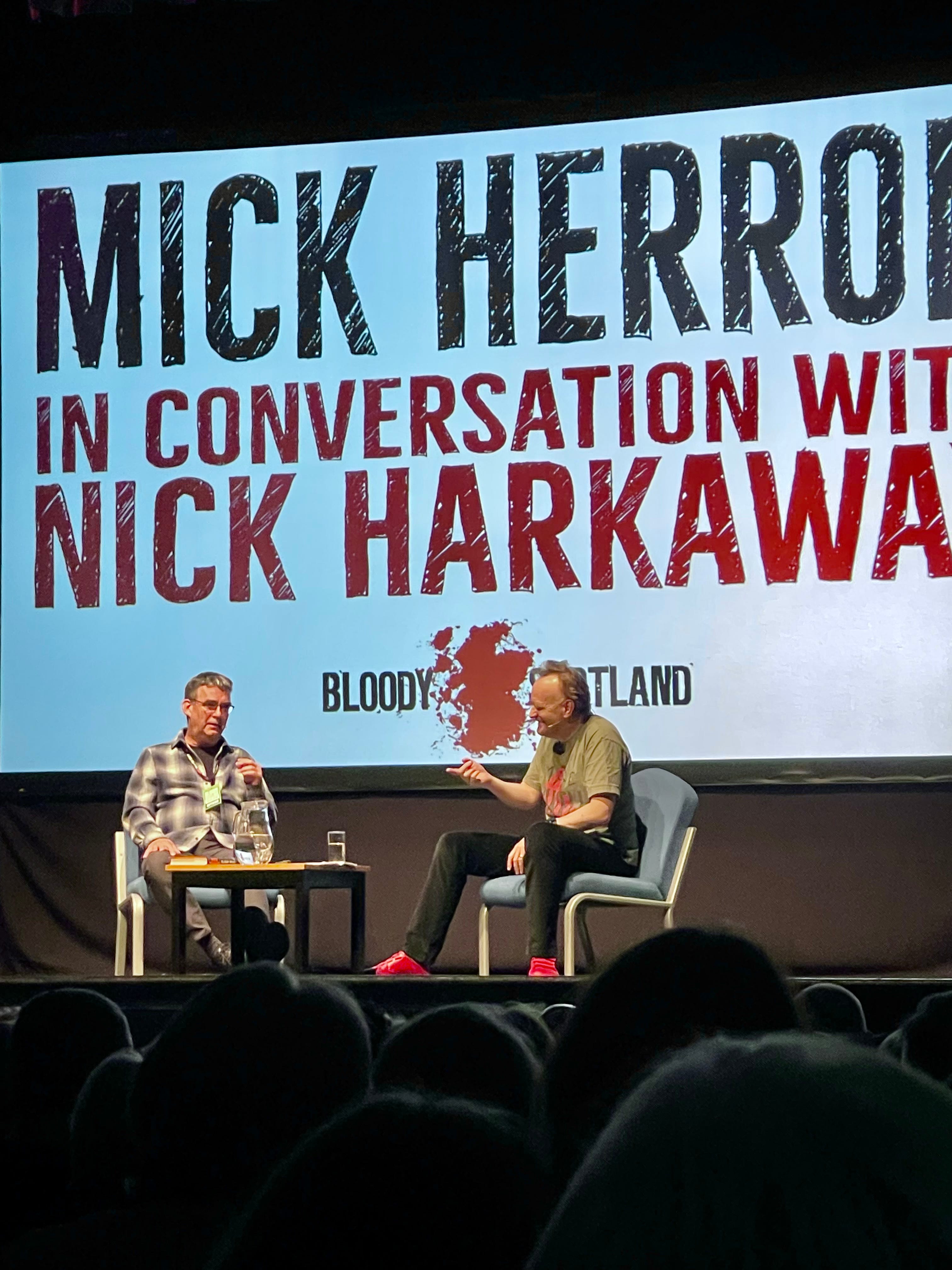
I’m starting to get more immersed in writing and authorship this month. I took a trip north to the city of Stirling, which is very much a miniature Edinburgh, with its own castle on a hill and haunted-looking graveyards. This was to attend Bloody Scotland, a crime writing festival. I attended two events. The first was a talk by Mick Herron of Slow Horse fame, being interviewed by Nick Harkaway, the son of John Le Carré, and a formidable author himself. It felt like the interview got a little derailed. Obviously, friends with similar interests in crime, writing, and Le Carré, not a lot came out of their talk that I wasn't already familiar with.
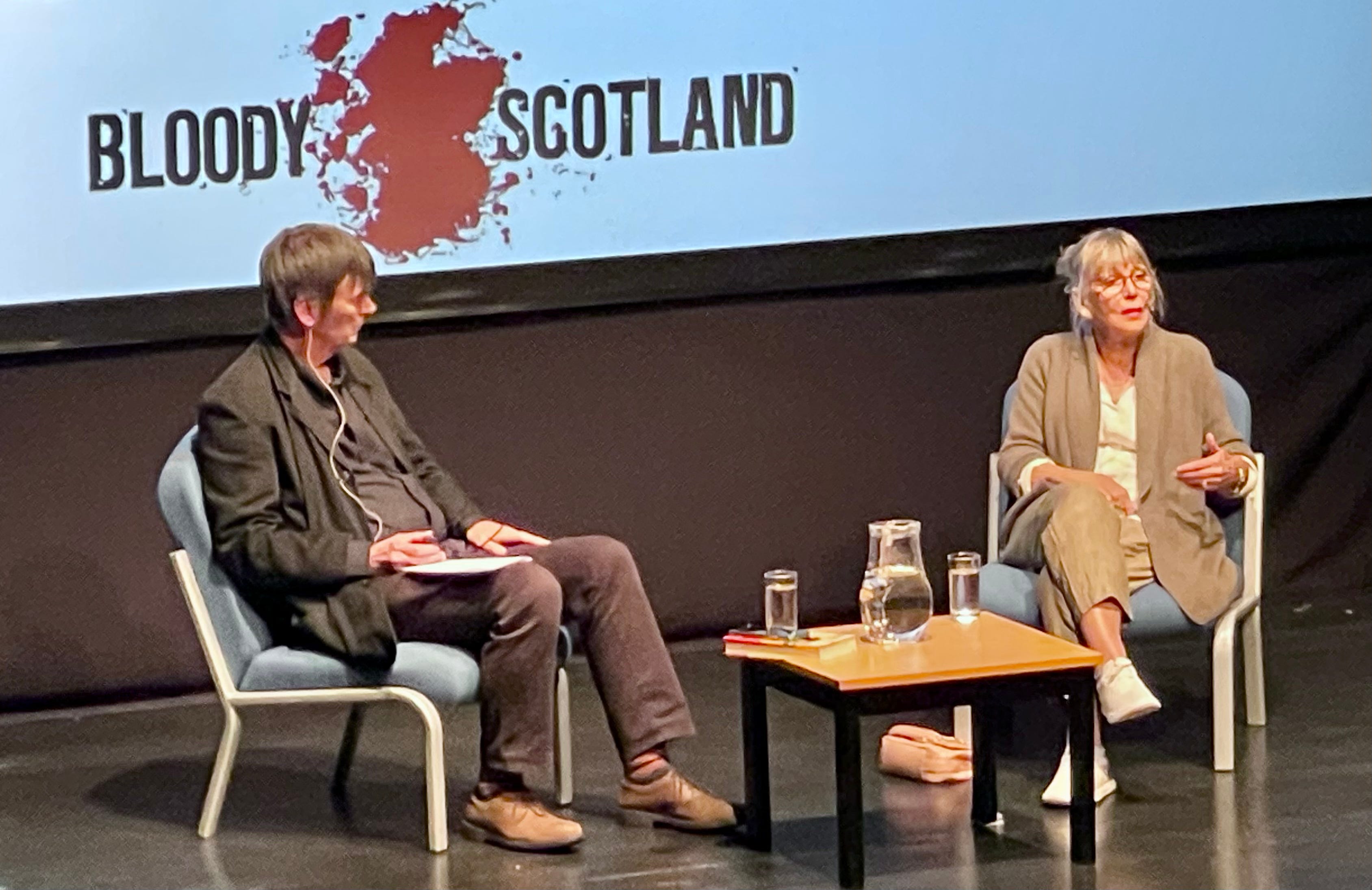
Next was Ian Rankin, now Sir Ian Rankin, interviewing Kate Atkinson. Rarely giving interviews, this was revealing, as Atkinson seems abashed by her own skills, dismissing her talent in creating character-driven crime books.
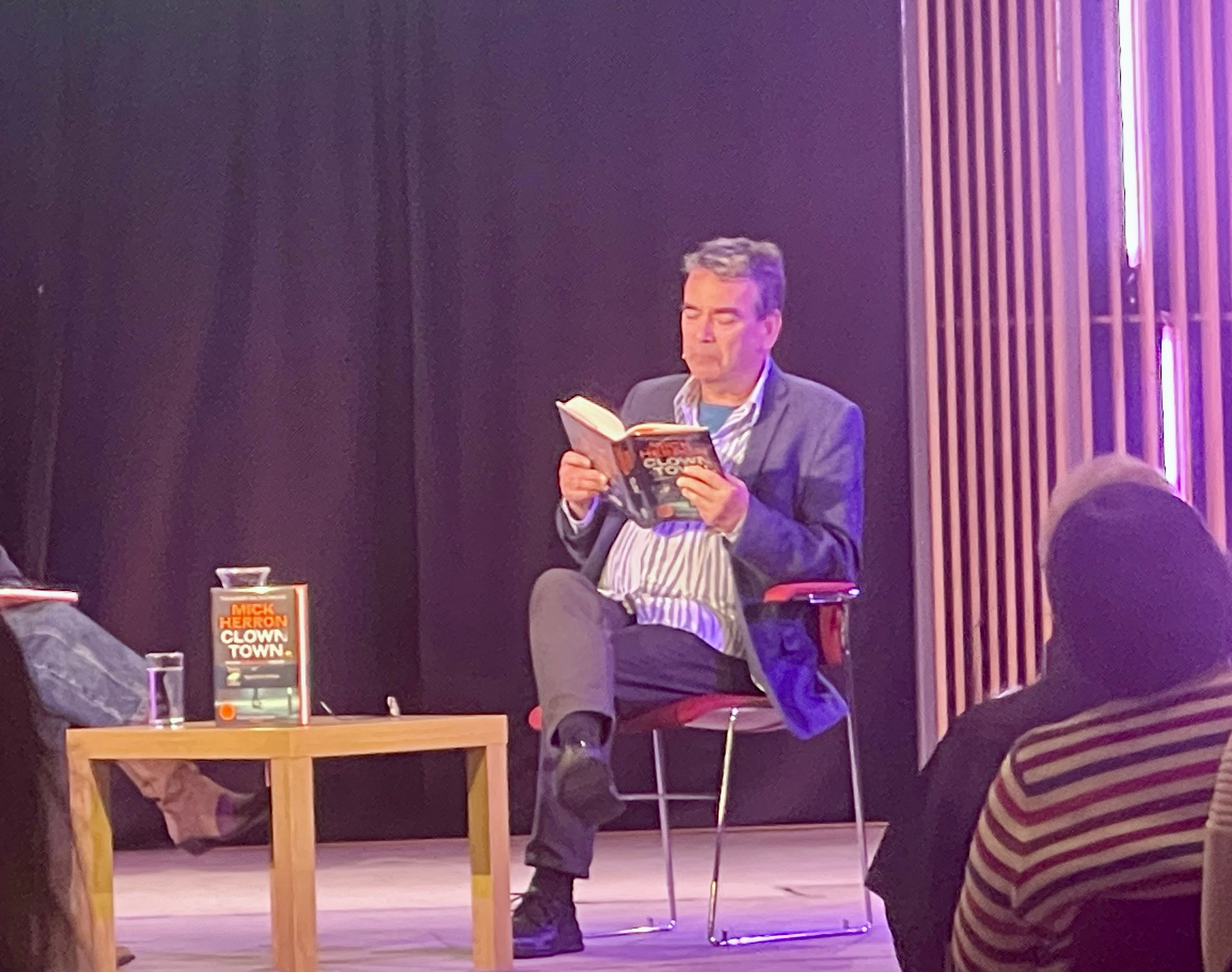
Back in Edinburgh, I had another chance to see Mike Herron interviewed, and this time the structure and focus were significantly improved, with the author divulging his lack of planning, or research (he must do some), alongside the fact that he attended the same school as Sting. What was of most interest to me is that Herron does not conjure his scenes as visualisations, instead focusing on the words and their rhythm. This is likely due to his background as a poet. I always see little films in my head, perhaps because I started writing scripts as a way to make short films. Maybe he has the same condition as Richard Herring, known as Aphantasia.
Writing
The Mountain continues slowly. I have started writing up the first of our walks, and already I am finding connections that wind a golden thread through the text. The idea finds coincidences and repeated histories, twisting through the myths of Arthur’s Seat. It's early days, and I'll need another trip in the next few weeks.
However, I am constantly thinking about my next work, called Project Egon. Recent reading and vivid dreams have been helpful in this regard. This often happens and can’t be helped. I’m making notes as a way of emptying my head.
Reading
The Shards by Bret Easton Ellis: Ponderous, over-indulgent and lacking in the essential story. I found this slow and the main character, a fictionalised version of Brett Easton Ellis, lacking in any redeeming features. Part thriller, part coming-of-age story, set in LA during the 1980s. I found the wanton display of wealth and privilege so off-putting that it coloured my reading of the text.
A Natural History of Ghosts by Roger Clarke: A concise natural history of ghosts looks at the apparitions as an extension of Western culture and belief. Throughout history, ghosts have appeared, but they have subtly altered to fit the fashions and religious beliefs of the century. Since Pliny the Elder, they have stalked our waking and sleeping world, sometimes as a harbinger of death, the devil, or simply as wandering beings lost and alone on the Earth. This book brings those ideas to the forefront while also examining some of the most celebrated cases.
I also purchased a 25th Anniversary Edition of On Writing by Stephen King. I’ve read this before, and while I don’t always find books about the craft illuminating, most say ‘just keep on writing,’ or something similar. This work, however, I found very encouraging, as it starts out by looking at King’s early writing attempts.
Articles
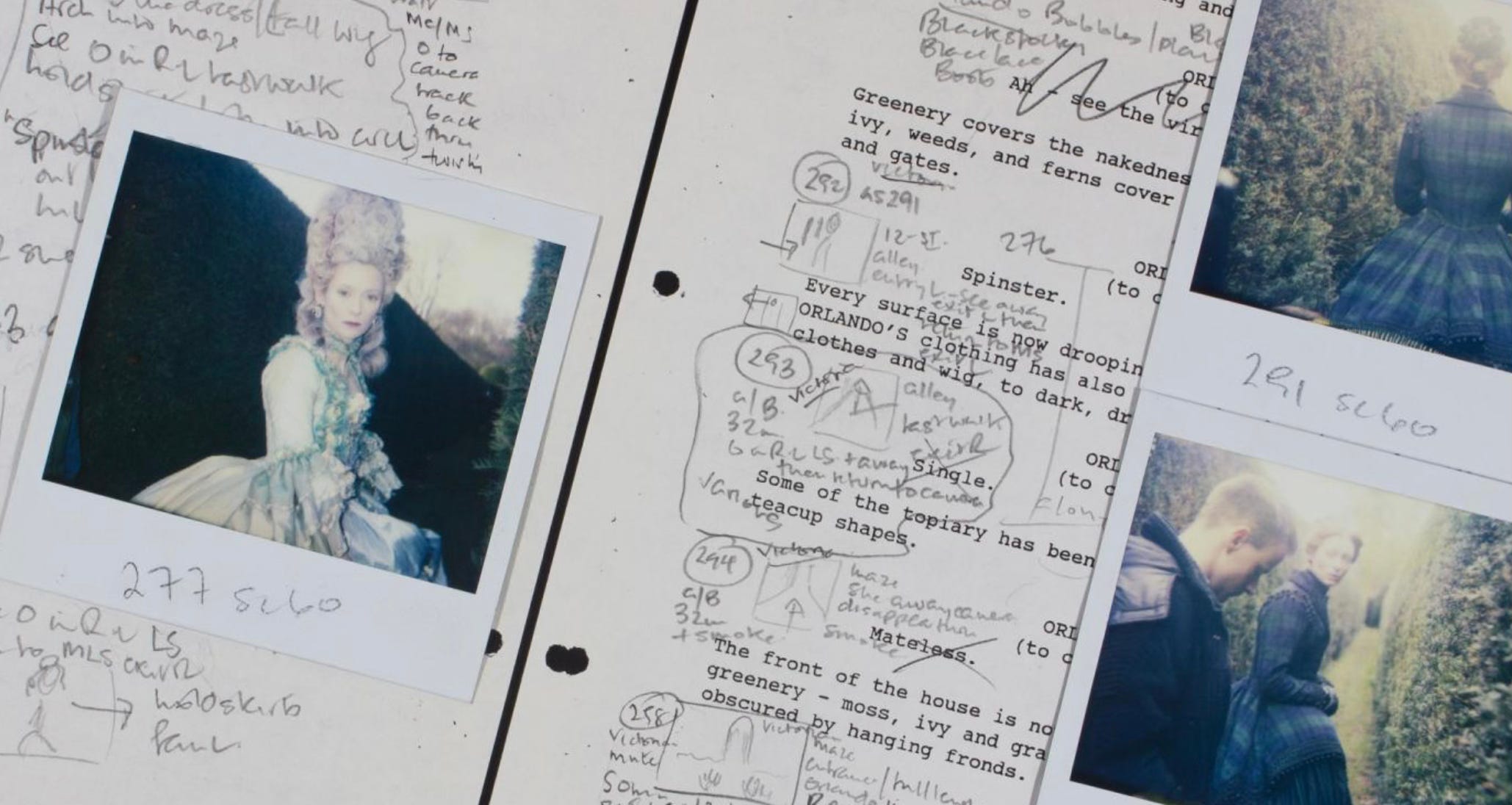
Penny Eyles’ BFI continuity script of Sally Potter’s Orlando is fascinating. Orlando is one of my favourite movies. I saw it on its release in 1992. As an impressionable 17-year-old, it paved the way for me to study film and my own attempts at making movies. Full of annotations and photos, including Tilda Swinton’s changing eye colour. I need to go back and rewatch. I have a BFI subscription, which is fortunate.
Film
Caught Stealing - Based on a Charlie Huston novel, this is the latest from Aronofsky. Part crime caper, with plenty of recognisable cameos, it’s fun, if a little predictable and by the numbers. Matt Smith is great as a British Punk with a problem. I imagine the novel is a lot better, so I’ve added it to my extremely long Kindle reading list.
Theatre
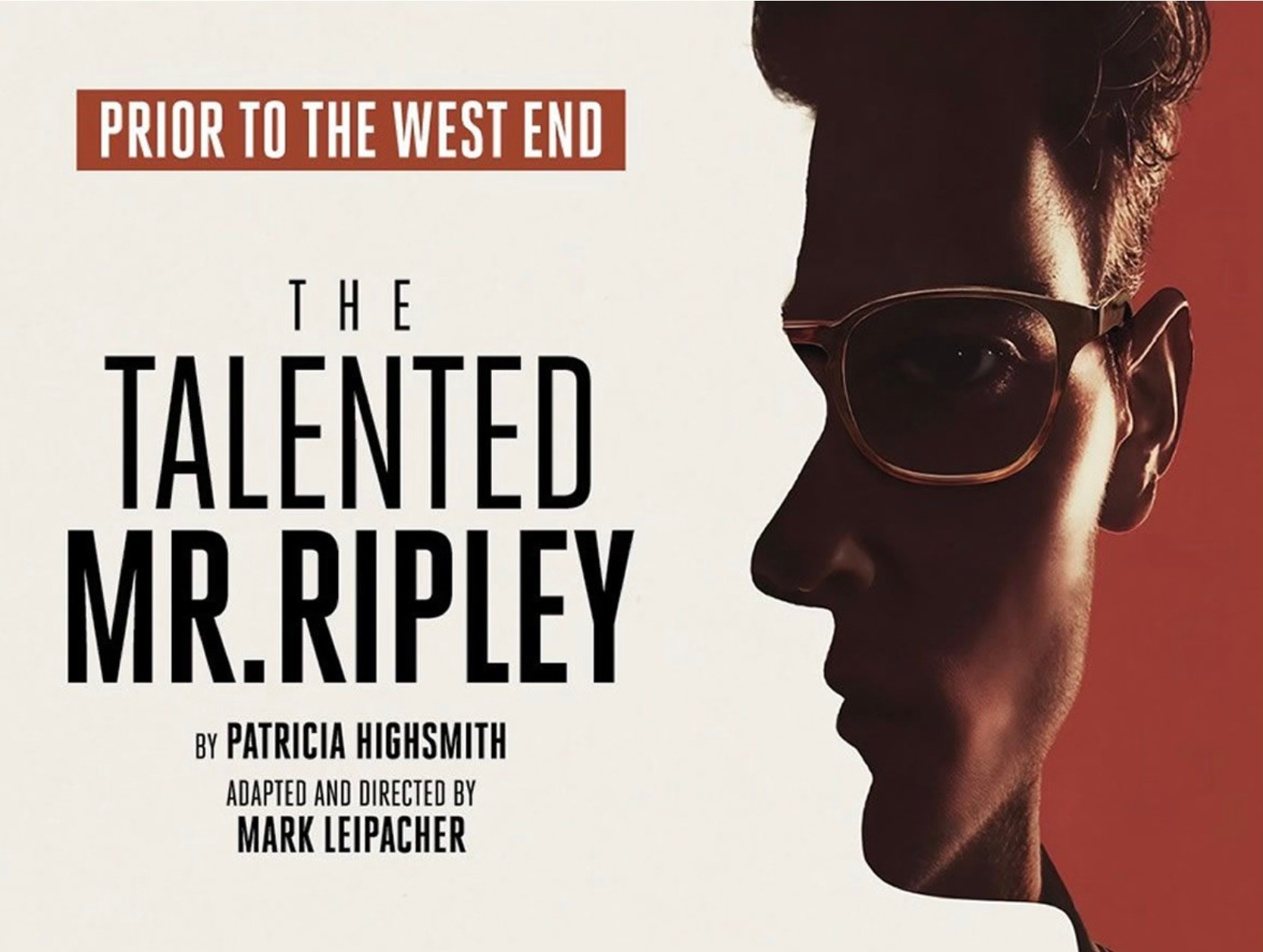
We saw the Festival Theatre’s version of The Talented Mr Ripley. It was good, a little slow in the middle, but an interesting premise that turns a novel set in the head of a Ripley into a stage play. His neurosis is evident in a scene reset, as if he believes he’s the hero of his own movie.
And that’s it for this week. Have a walk outside, take a deep breath of the cooling Autumn air, and forget about the world going to hell in a handbasket.